


“Following a devastating fire, Dayspring’s ability to pull resources from all over the state within hours was incredible. They had over 50 workers onsite within 2-3 hours! We would never have been able to have our students back in school within 2 days were it not for the quick response and the quality of work provided by them. Their quality of work was excellent!”
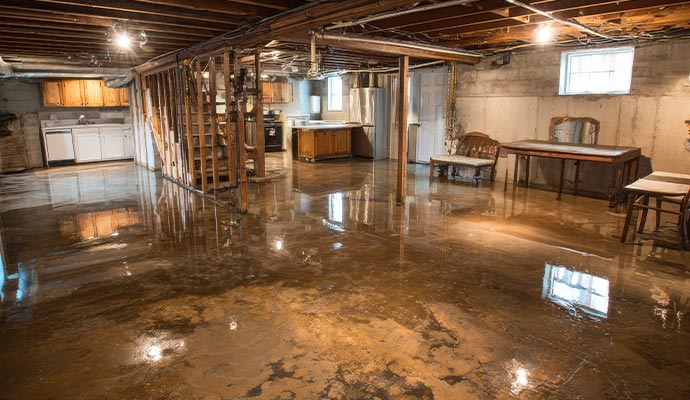
Complete Flood Damage Cleanup and Restoration in Montana
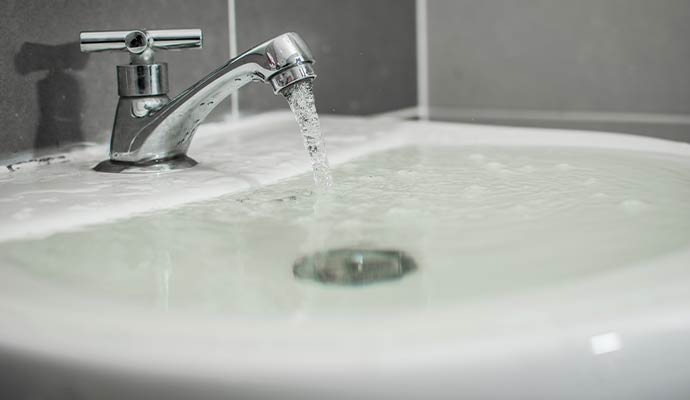
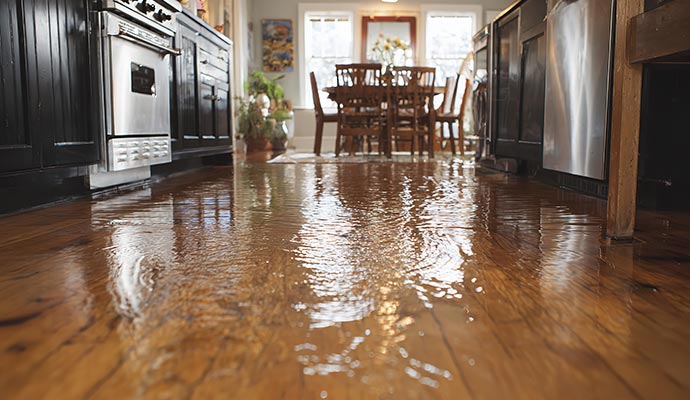
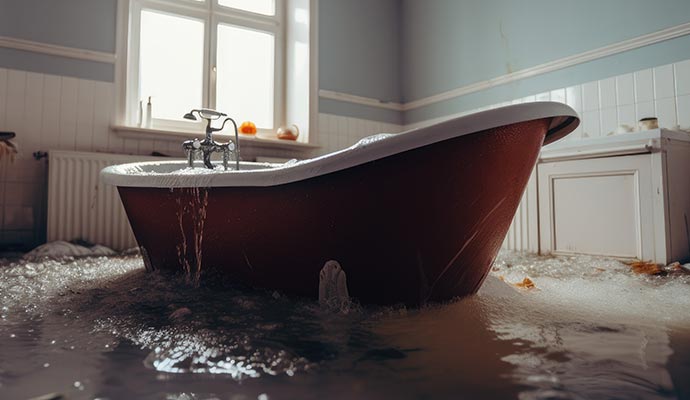
Flood damage creates a huge mess in a very short time. Heavy rain, melting snow, or overflowing rivers can push water into your property. It soaks into your walls, floors, and furniture. This creates a stressful situation for homeowners and businesses across Montana. You need a team that professionally extracts water, dries surfaces, and rebuilds affected areas.
At Dayspring Restoration, we are ready to help you. We're experts in cleaning up flood damage. Our team removes the water and dries out your space. We do not fix broken pipes or do plumbing work. Instead, we focus all our energy on the cleanup process. Call or contact us online today for our flood damage cleanup assistance and services.
406-991-4262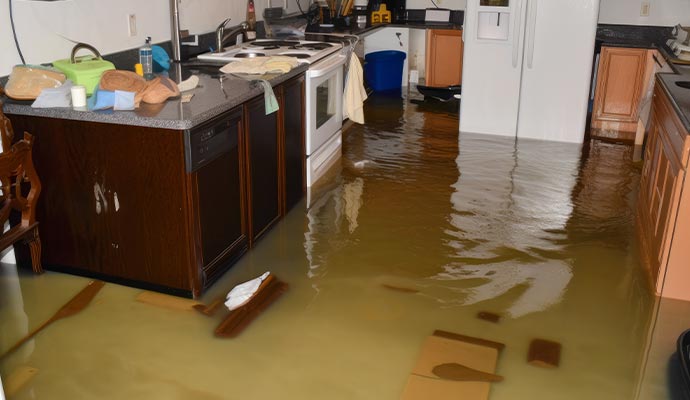
Sources of Flood Damage in Montana
Flooding across Montana is typically triggered by extreme seasonal shifts and structural issues that include:
- Rapid Snowmelt: When temperatures spike after a snowy winter, the ground often cannot absorb the massive runoff, leading to localized flooding.
- Heavy Spring Rains: Intense storms can saturate the soil and overwhelm drainage systems, forcing water into basements and crawl spaces.
- Sewer or Septic: During heavy downpours or obstruction, sewer lines can overflow, pushing hazardous water back into homes.
- Roof and Gutter: Missing shingles, clogged gutters, or ice dams can allow water to breach your home's exterior during storms or thaws.
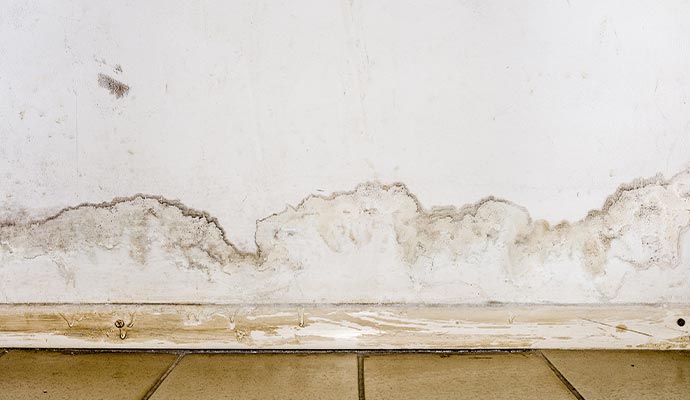
Our Fast Flood Damage Response
Flood damage can worsen by the hour, leading to serious property loss and safety concerns, including:
- Mold Growth: Prompt cleanup reduces the chance of mold spreading, preserving indoor air quality and surfaces.
- Structural Damage: Fast drying and cleanup help preserve walls, floors, and support materials.
- Damage to Belongings: Acting quickly limits moisture absorption in furniture, documents, and valuables.
- Safety and Contamination: Early response lowers exposure to bacteria, sewage, and other harmful contaminants.
- Excess Property Loss: Checking damage early helps keep damage from spreading throughout a property.
Choose Us for Reliable Emergency Flood Damage Cleanup
Flood emergencies require immediate attention. Dayspring Restoration delivers dependable emergency flood damage restoration services when time is critical. Once you reach out, our trained professionals arrive equipped with advanced tools and industry-tested techniques to begin recovery. From pipe failures to severe weather events, we work efficiently and carefully to restore your property during high-stress situations.
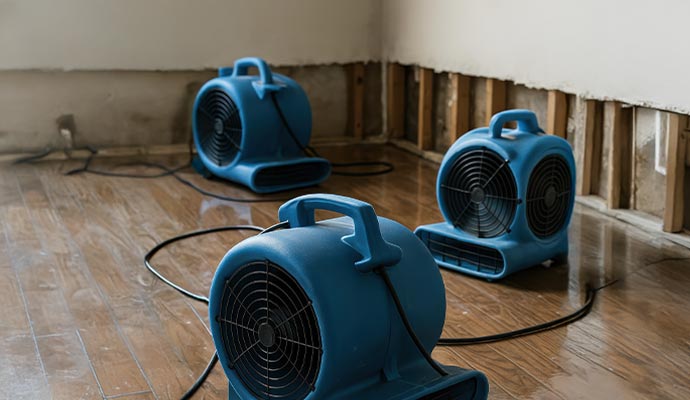
Thorough Water Extraction, Drying and Removal
Removing excess water is a crucial step in restoring a flooded property. Our specialists use powerful extraction systems, including commercial pumps and high-capacity vacuums, to clear standing water from affected areas.
Thorough water removal helps prevent mold formation, warped or rotted floors, and wall deterioration. With our focused approach, your property moves closer to recovery and stability after flood damage.
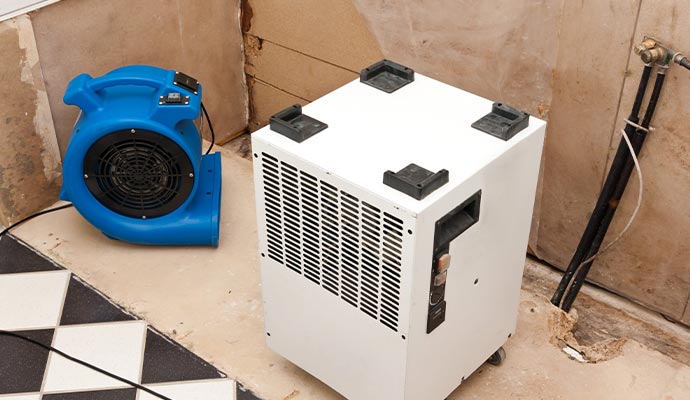
Turn to Us for the Best Extraction Tools
Effective drying starts with powerful extraction. Using state-of-the-art equipment, our team removes deep-seated moisture from carpets, padding, and flooring substrates.
Water extraction is the key to preventing long-term issues like buckling floors and lingering odors. Trust Dayspring Restoration to use the best technology available to get your property dry, clean, and safe.
Specialized Water Damage Restoration Services
In Montana, water damage varies from summer storm runoff to winter pipe bursts. Dayspring Restoration offers an individual approach for every scenario to make sure your home is fully recovered. Our water damage restoration services include:
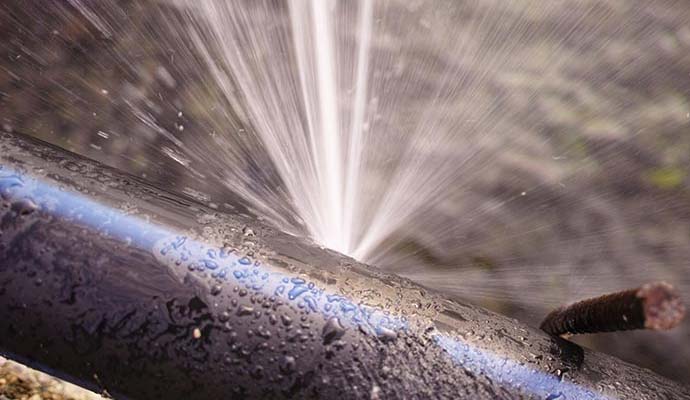 Burst Pipe Damage
Montana winters are tough on plumbing. If a pipe freezes and bursts, we extract the water, dry affected areas, and restore damage before mold sets in.
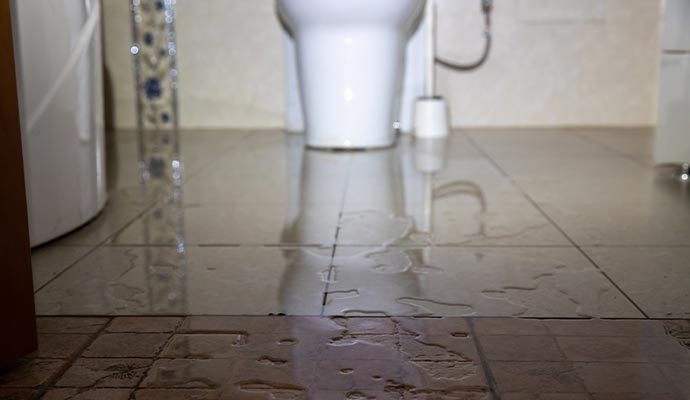 Sewage Cleanup
Sewer failures are dangerous biohazards. We use industry-standard containment and sanitization protocols to safely remove contaminated water and restore hygiene.
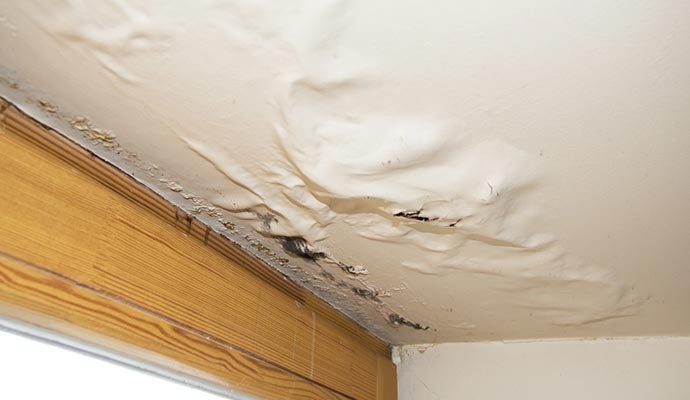 Roof Leak Damage
Melting snow and ice dams can force water into attics and ceilings. We address the resulting interior water damage to prevent rot and insulation saturation.
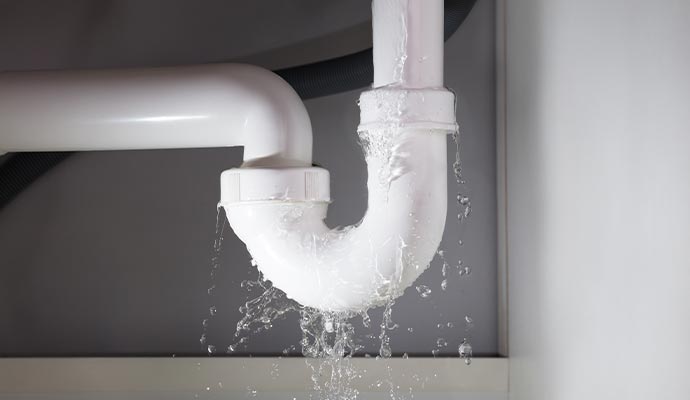 Plumbing Leak Cleanup
A hidden leak behind a wall or a faulty fixture often goes unnoticed, so our experts trace the moisture to its source and manage all required cleanup work with care.
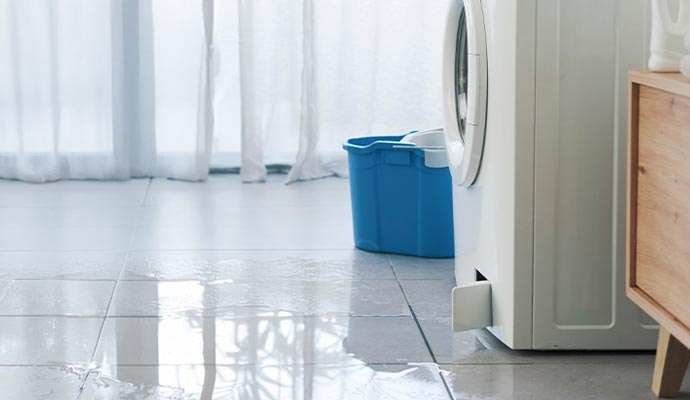 Appliance Leak Damage
A leaking dishwasher or washing machine can ruin subfloors quickly. We take care of the cleanup and dry-out process for kitchen and laundry room floods.
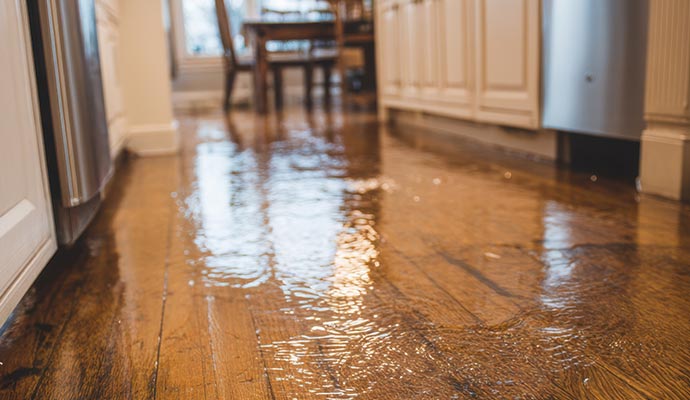 Floor Damage
Flooring Restoration Water is destructive to hardwood, carpet, and tile. Our specialized drying equipment is designed to salvage your flooring whenever possible.
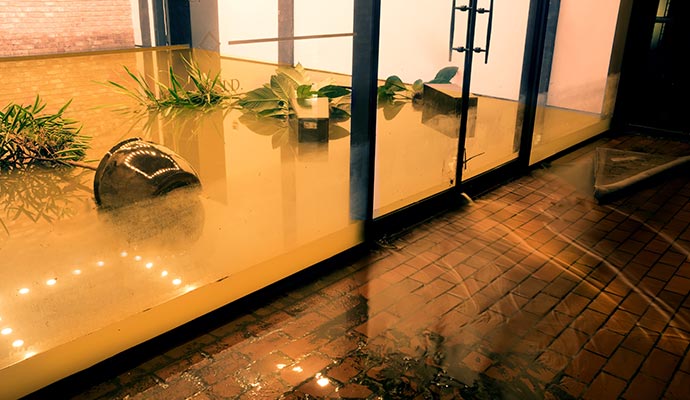
Recover Your Business After Water Damage
Minimize downtime. Maximize safety. When a flood disaster strikes your business, Dayspring Restoration is your strategic partner. We provide restoration for commercial properties to keep your employees safe and your business running. We work around your schedule to restore operations to normal with minimal interruption.
Help for Worry-free Insurance Claims
Filing insurance claims after a flood can be an added burden, one we can help shoulder. Dayspring Restoration will work directly with your insurance provider to make sure your insurance claim is seamlessly processed.
From documenting the damage with photos to itemizing repairs, we advocate for you. Our goal is to take the paperwork off your plate so you can focus on what matters most: getting your life back to normal.
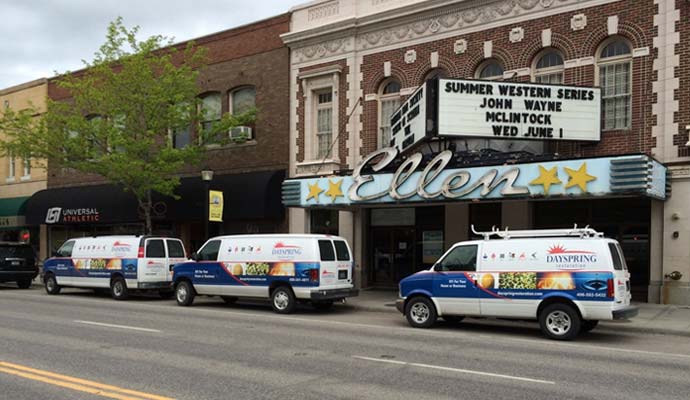
Why People of Montana Trust Dayspring Restoration
Choosing the right partner makes all the difference. Here is why Montana homeowners rely on us:
- Experienced Professionals: Our technicians are IICRC-certified and trained specifically for flood recovery.
- Advanced Technology: We use industrial-grade dryers and thermal imaging to make sure no moisture is left behind.
- Start-to-Finish Service: From the first drop of water extracted to the last coat of paint, we take care of it all.
- Always Open: Disasters don’t keep office hours, and neither do we. We are available 24/7.
Call Us Now for Reliable Flood Damage Cleanup in Montana
Your property matters. Standing water leads to structural, safety, and property value concerns if unaddressed too long. Dayspring Restoration brings skill, advanced equipment, and tireless attention to flooded homes and businesses.
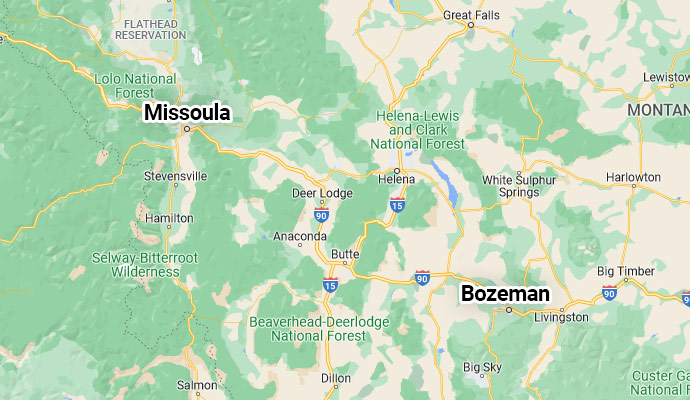
We assist customers in Billings, Bozeman, Butte, Missoula, and more Montana cities. We'll provide the most reliable, effective cleanup, drying, and extraction process. Don't let flood damage make your property unrecoverable. Call or click here to reach us online for flood damage restoration services. Put your property back on track to its pre-damaged condition.
406-991-4262
4.95 out of 508 reviews
Other pages you may be interested in...
Why You Can Rely on Dayspring Restoration

Serving Your Local Area Since 1989

24/7 Emergency Response

Insurance Claims Assistance

Licensed, Bonded, and Insured

Advanced Certification Training

Full-Service Restoration From Demo to Rebuild

3D Site Imaging with Docusketch
Our Customer Reviews
Kalli Kind
Helena Public Schools
“Over the past eighteen years I have worked with Dayspring on a daily basis. I have worked with them professionally and have had them work for me personally. In both instances I have found them to be professional, courteous, and helpful.”
Bob King
State Farm Insurance, Missoula, MT
Awards and Affiliations



- Absarokee
- Acton
- Anaconda
- Ballantine
- Batavia
- Bearcreek
- Belfry
- Big Horn
- Big Sky
- Big Timber
- Billings
- Boyd
- Bozeman
- Bridger
- Broadview
- Busby
- Butte
- Cody
- Columbus
- Corvallis
- Crow Agency
- Custer
- Decker
- Deer Lodge
- Dillon
- Edgar
- Evergreen
- Fishtail
- Fort Smith
- Fromberg
- Garryowen
- Great Falls
- Hamilton
- Hardin
- Harlowton
- Hayden
- Helena
- Huntley
- Joliet
- Kalispell
- Klein
- Laurel
- Lavina
- Lewiston
- Livingston
- Lockwood
- Lodge Grass
- Melstone
- Missoula
- Molt
- Moscow
- Musselshell
- Nye
- Orchard Homes
- Park City
- Polson
- Pompeys Pillar
- Post Falls
- Powell
- Pryor
- Pullman
- Rapelje
- Red Lodge
- Reed Point
- Roberts
- Roscoe
- Roundup
- Saint Xavier
- Salmon
- Shawmut
- Shepherd
- Stevensville
- Test Hamilton
- Victor
- West Yellowstone
- White Sulphur Springs
- Whitefish
- Worden
- Wyola
