
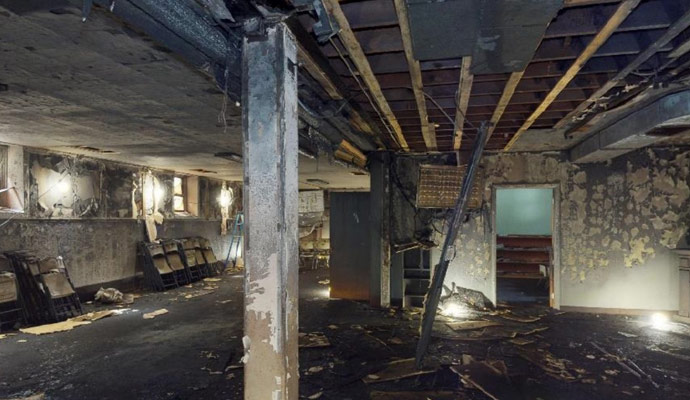








“Following a devastating fire, Dayspring’s ability to pull resources from all over the state within hours was incredible. They had over 50 workers onsite within 2-3 hours! We would never have been able to have our students back in school within 2 days were it not for the quick response and the quality of work provided by them. Their quality of work was excellent!”
Fire-Damaged Insulation Replacement in Missoula
Fire can leave insulation filled with smoke residue, soot, and persistent odors that remain hidden behind walls and ceilings. Damaged insulation can continue affecting indoor conditions long after the fire is out, making replacement an important part of the restoration process.
At Dayspring Restoration, we provide insulation replacement for fire-damaged properties, removing compromised materials and installing new insulation where needed. Our team works to restore the damaged property, improve the indoor conditions, and prepare the space for the next step in the restoration process. Call or contact us online to schedule an appointment with our expert for insulation replacement.
406-991-4262Why Replacing Burned Insulation is Vital
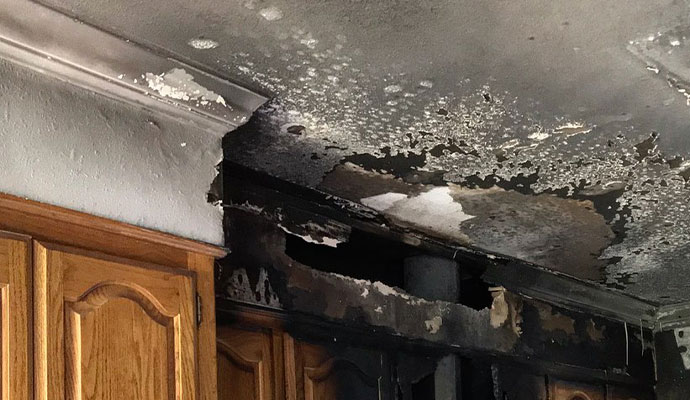
Burned insulation can affect a property after a fire is out. Heat exposure reduces its insulating value, while soot, smoke residue, and odors can spread into surrounding materials. Replacing fire-damaged insulation helps restore energy efficiency, improve indoor air quality, cleans up and restores structural damage.
Reduced energy efficiency
Burned insulation loses much of its ability to slow heat transfer. This can make indoor temperatures harder to maintain and increase heating and cooling costs
Lingering smoke odors
Smoke particles get trapped in burned insulation. Even after surface cleaning, these odors may continue spreading through the property
Poor indoor air quality
Fire-damaged insulation may release soot particles and other contaminants into the air. Removing affected insulation maintains cleaner indoor air
Hidden Damage
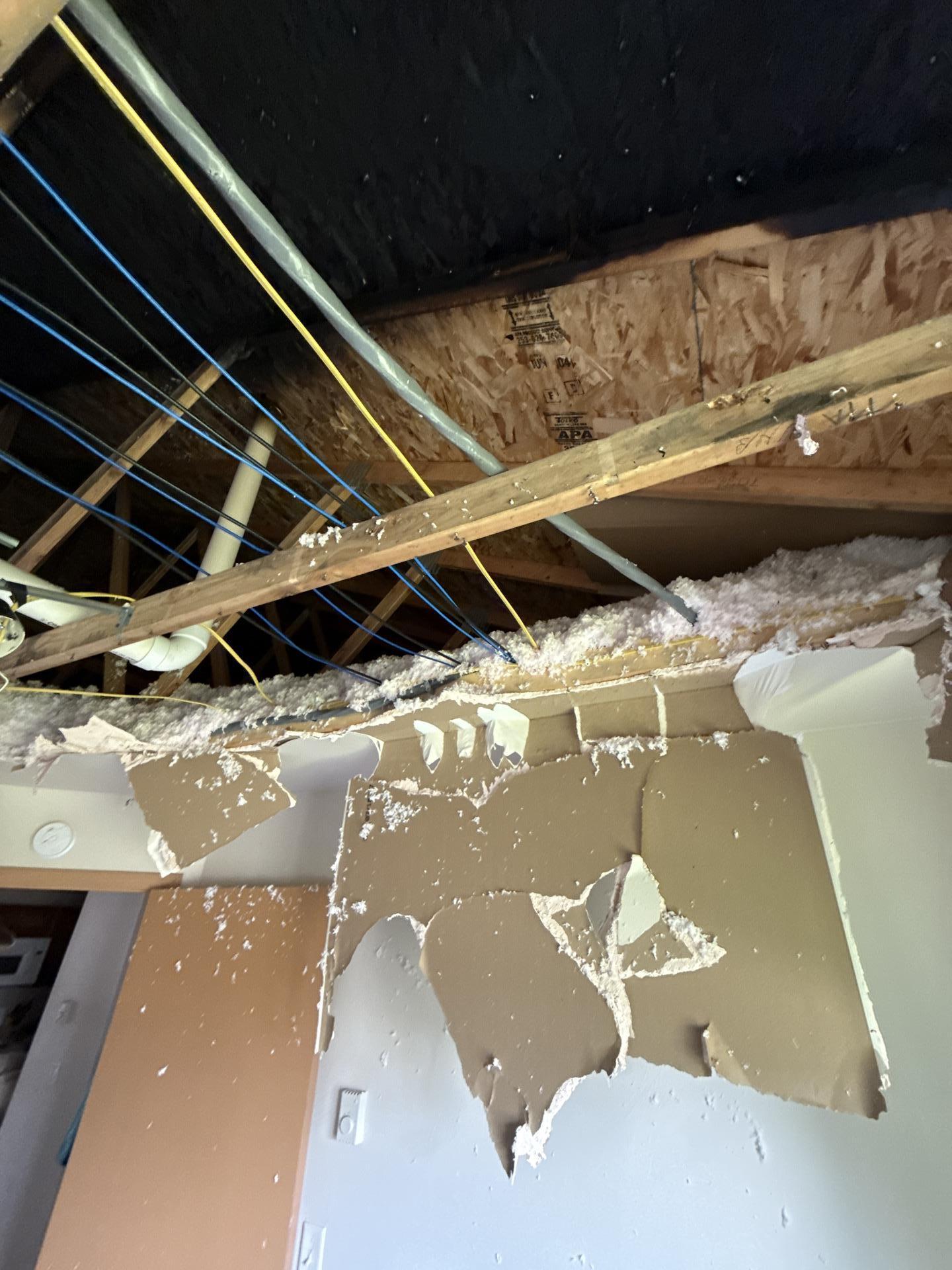
Damaged insulation can conceal fire damage inside walls, attics, and ceilings. Removing damaged materials allows a thorough inspection before repairs begin.
Moisture and mold hazards
Firefighting efforts often leave insulation damp. Wet insulation can lose its insulating value and create conditions that support mold growth if left in place.
Ongoing material deterioration
Charred insulation may continue breaking down over time. Replacing damaged insulation helps prepare the affected areas for repairs and long-term performance.
Benefits of Our Fire-Damaged Insulation Replacement
Fire-damaged insulation can continue affecting comfort, indoor air quality, and energy use long after the flames are out. At Dayspring Restoration, our technicians remove damaged insulation and installs new materials to improve your property's condition during the cleanup and restoration process.

Improves indoor air quality
Smoke particles and odors can remain trapped in fire-damaged insulation. Replacing affected insulation helps reduce lingering odors and removes soot, allergens, and other contaminants.

Maintains energy efficiency
Burnt insulation loses much of its insulating value. New insulation helps maintain more consistent indoor temperatures and reduces unnecessary strain on the HVAC system.
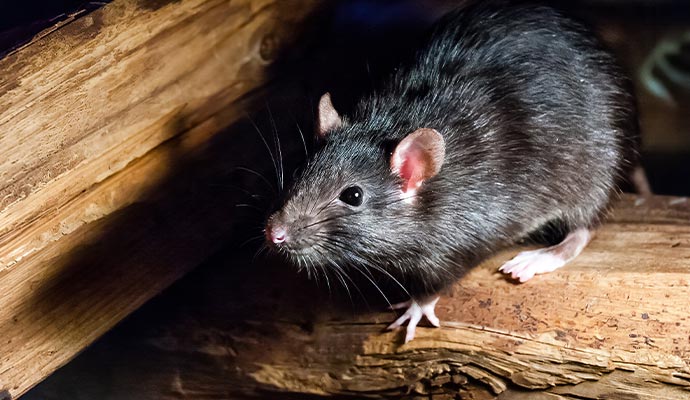
Helps reduce pest activity
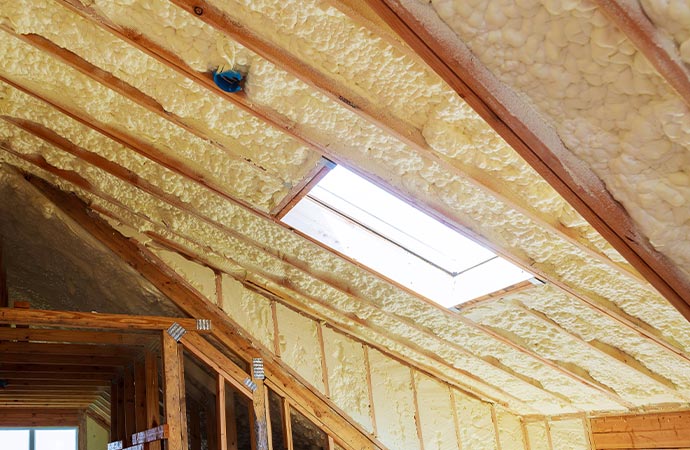
Damaged insulation can create favorable conditions for rodents and insects. When replacement is needed, pest-resistant insulation adds another layer of defense against unwanted pest activity.
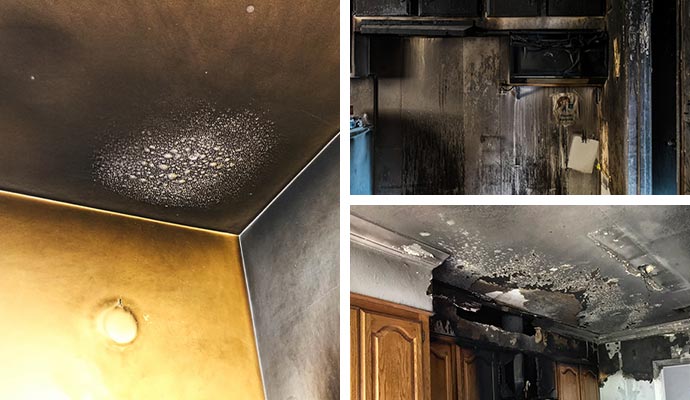
Restore Air Quality with Our Smoke Removal
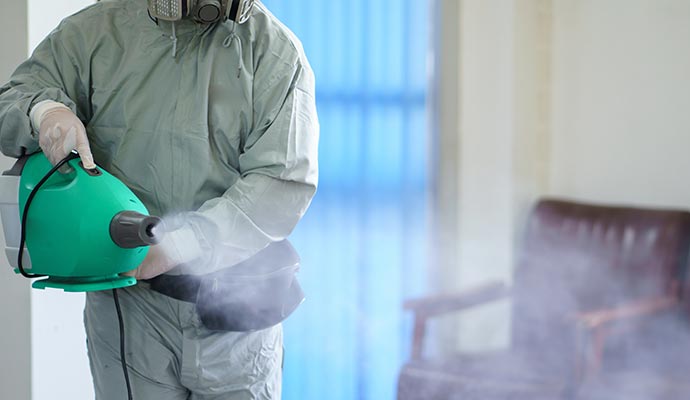
Smoke and soot can affect multiple areas of a property after a fire. Our experts provide thorough cleanup and restoration services to remove residue, reduce lingering odors, and restore fire-affected materials. Our smoke and soot damage cleanup and restoration, includes:
Our Fire Damage Cleanup and Restoration Services
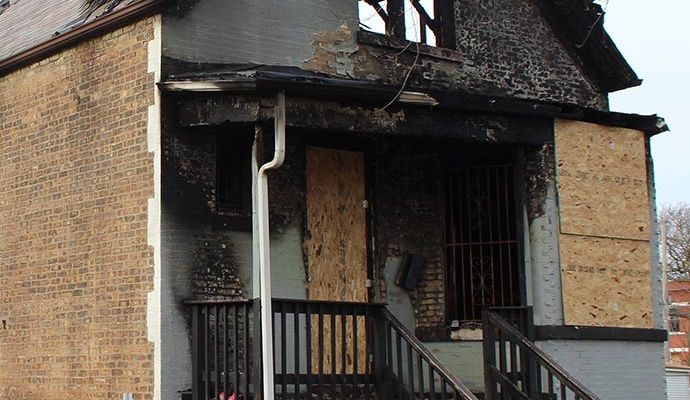
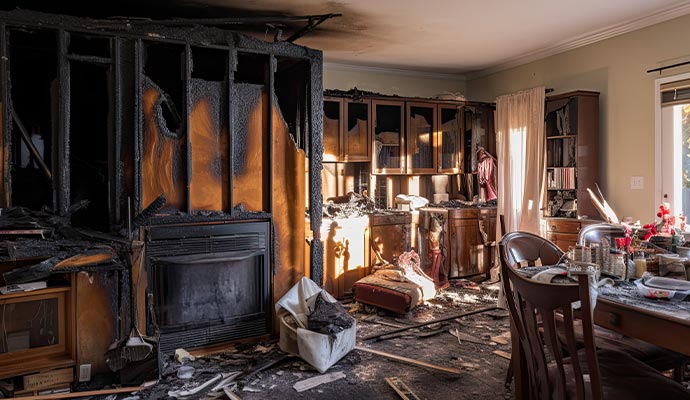
Fire damage often affects more than the areas touched by flames. Smoke, soot, odors, and structural damage can spread throughout a property. Ou trained specialists provides complete fire damage restoration services to clean, restore, and rebuild affected areas.
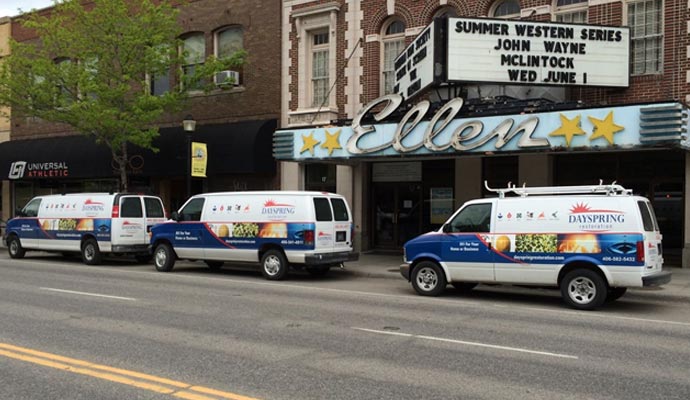
Why Customers with Damaged Insulation Choose Us
Restoring a property after a fire requires experience, careful planning, and attention to every affected area. Our specialists provides complete fire damage restoration services, helping property owners move through the recovery process with clear communication and quality workmanship.
- Experienced restoration experts
- Complete fire damage restoration
- Advanced restoration equipment
- Insurance claim assistance
- Quality workmanship
- 24/7 emergency response
- IICRC-certified technicians
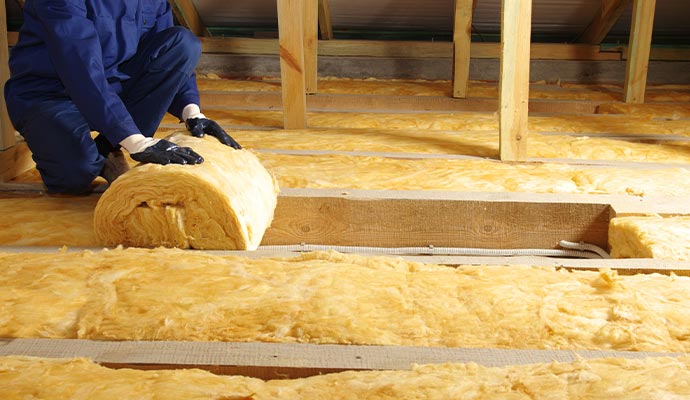
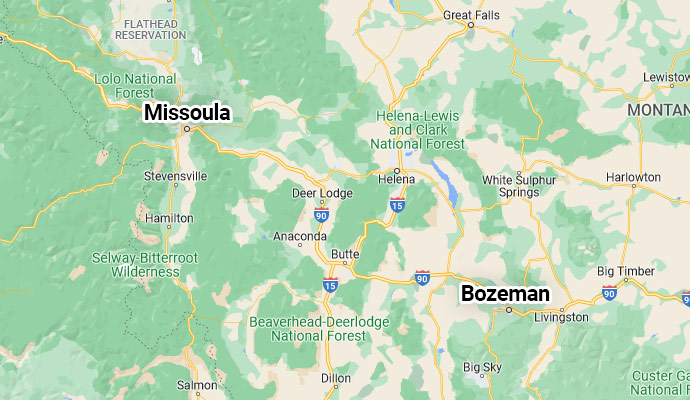
Call Us Now for Fire Damaged Insulation Replacement in Missoula and Bozeman
Fire, smoke, and heat exposure can reduce the performance of insulation and affect indoor comfort throughout a property. At Dayspring Restoration, we replace the fire-damaged insulation to remove fire-damaged materials and install new insulation that maintains better temperature control and energy efficiency.
The team evaluates the damaged area and restores the insulation to help prepare the property for the next stage of recovery. Call or go to our online request form now to schedule an appointment with our insulation replacement expert after the fire damage.
406-991-4262Insulation Replacement Frequently Asked Questions (FAQs)
When should Dayspring Restoration replace fire-damaged insulation?
Can smoke odors or residue remain in insulation after a fire?
Does Dayspring Restoration replace insulation in both walls and attics?
Will new insulation installed by Dayspring Restoration improve my property's energy efficiency?
4.95 out of 508 reviews
Other pages you may be interested in...