
“Following a devastating fire, Dayspring’s ability to pull resources from all over the state within hours was incredible. They had over 50 workers onsite within 2-3 hours! We would never have been able to have our students back in school within 2 days were it not for the quick response and the quality of work provided by them. Their quality of work was excellent!”
Job completed for Plum Tree Apartments
Completion date: February 25, 2026
Location: Shelby, MT
Why did the customer contact us?
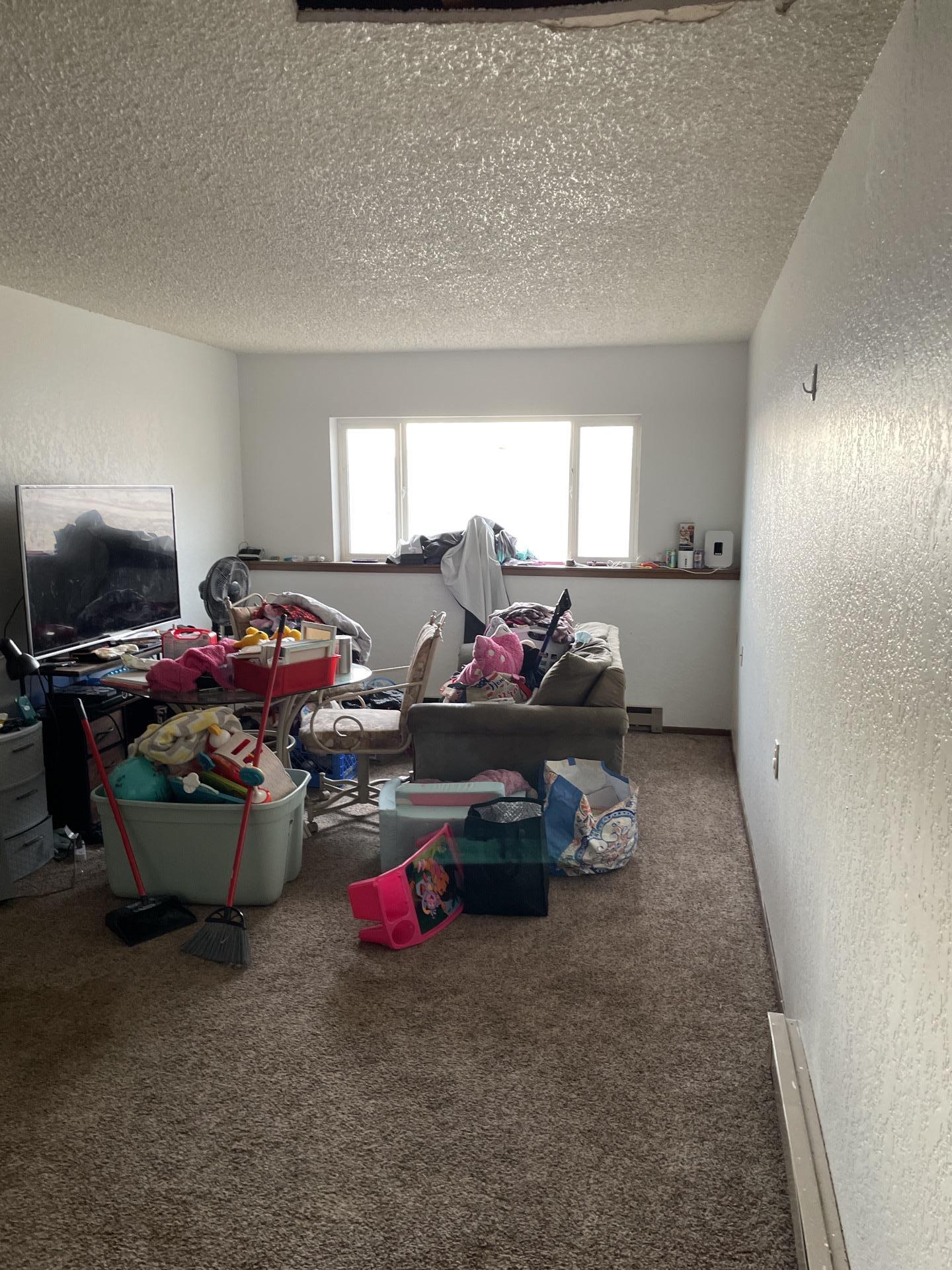
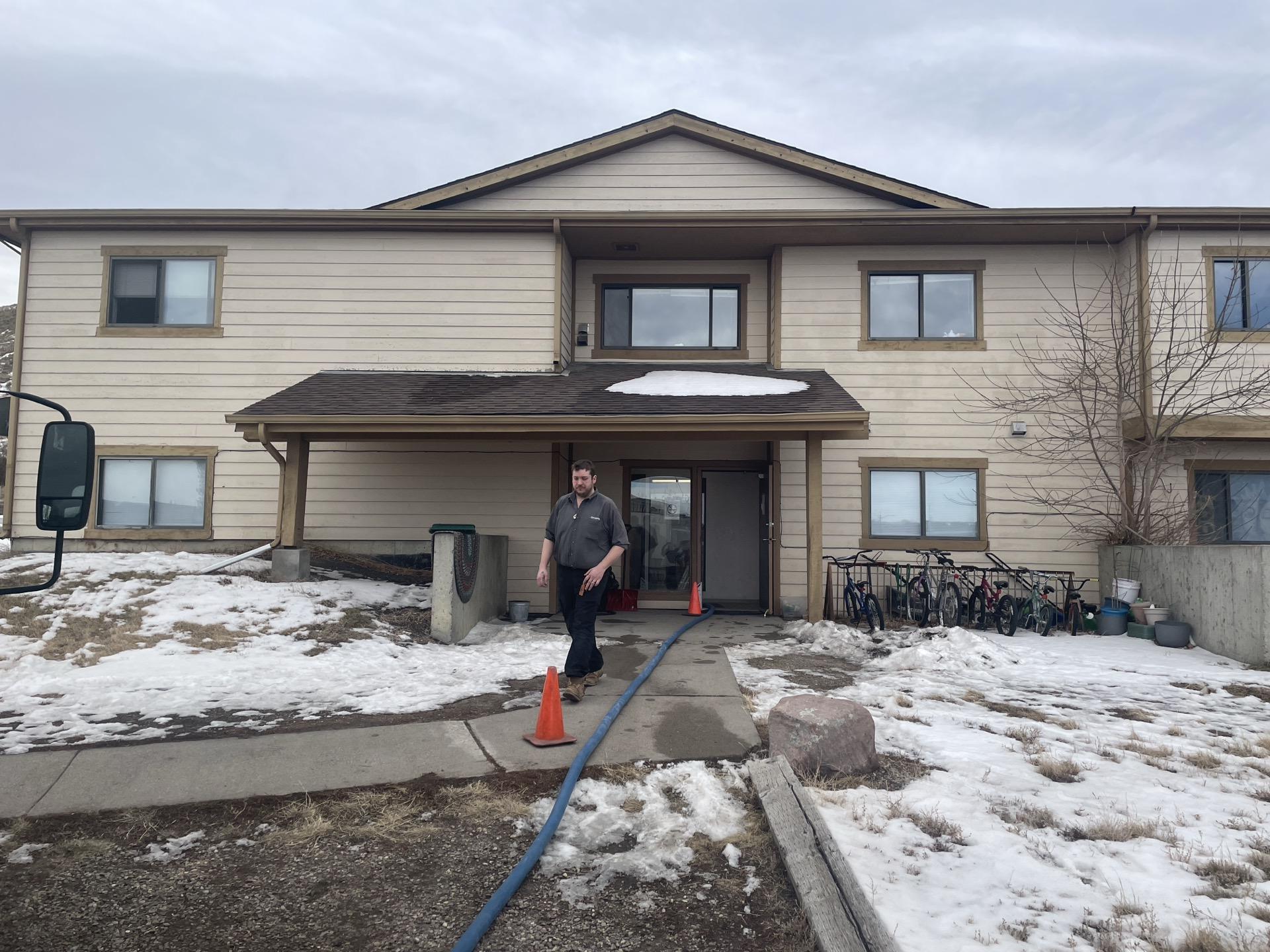
A hot water heater malfunction in Apartment #202 (source unit) led to significant water damage across multiple units (Apt #101, #102, #201, #202) and a common hallway within the Plum Tree Apartments. The water intrusion resulted in elevated moisture content in drywall, subfloors, and carpets, with assumed microbial growth detected in the source unit's closet.
Solutions provided:
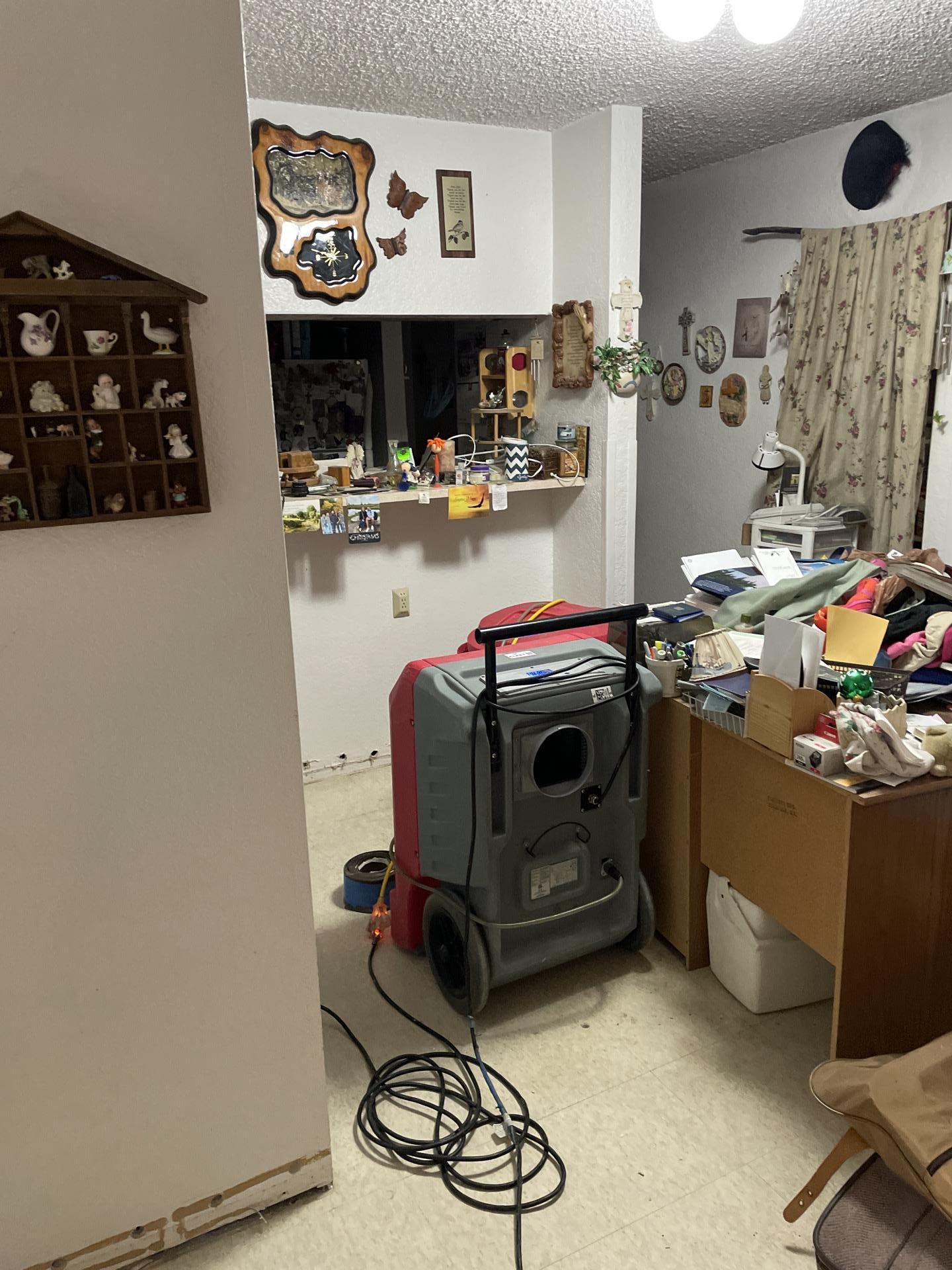
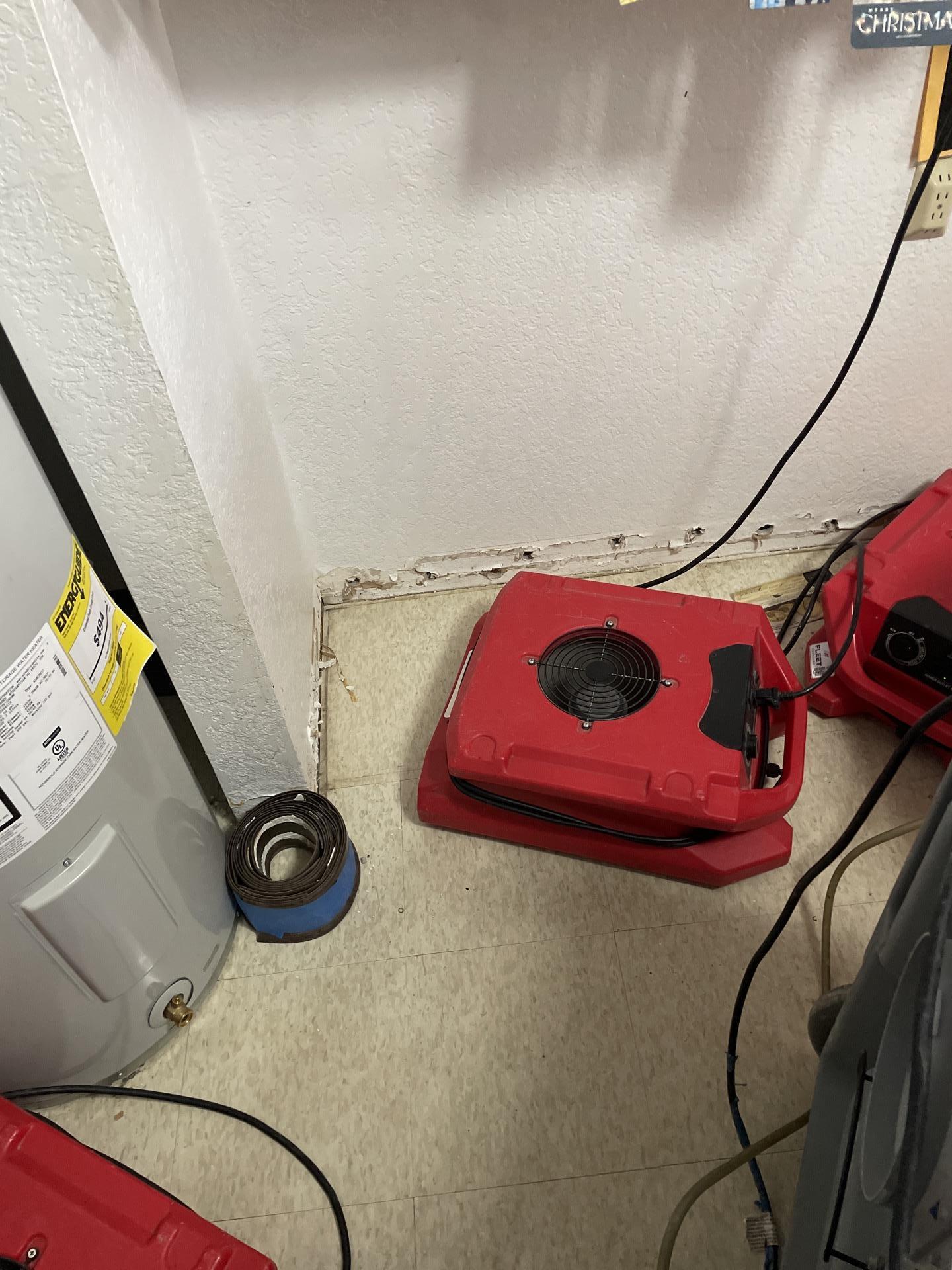
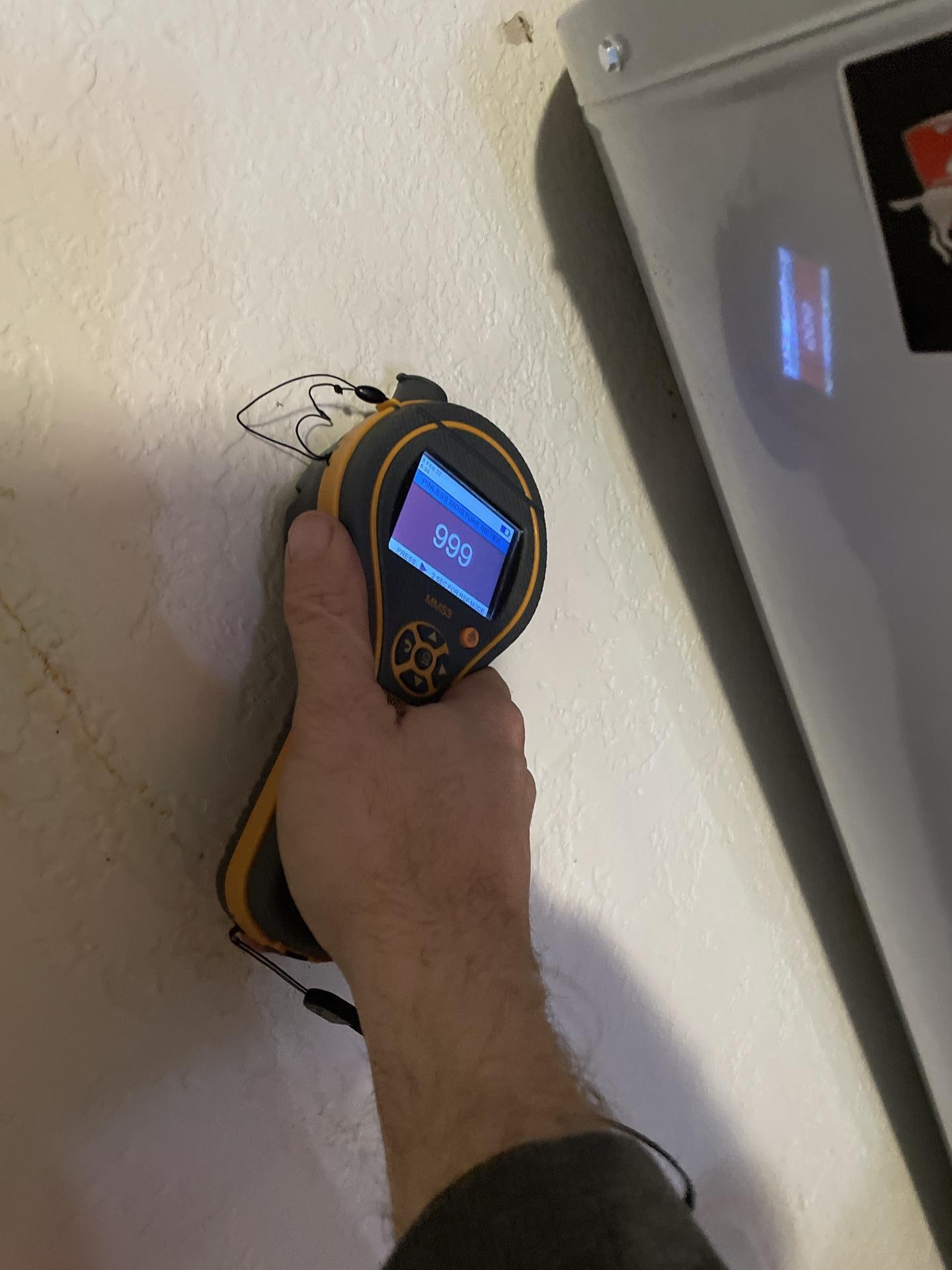
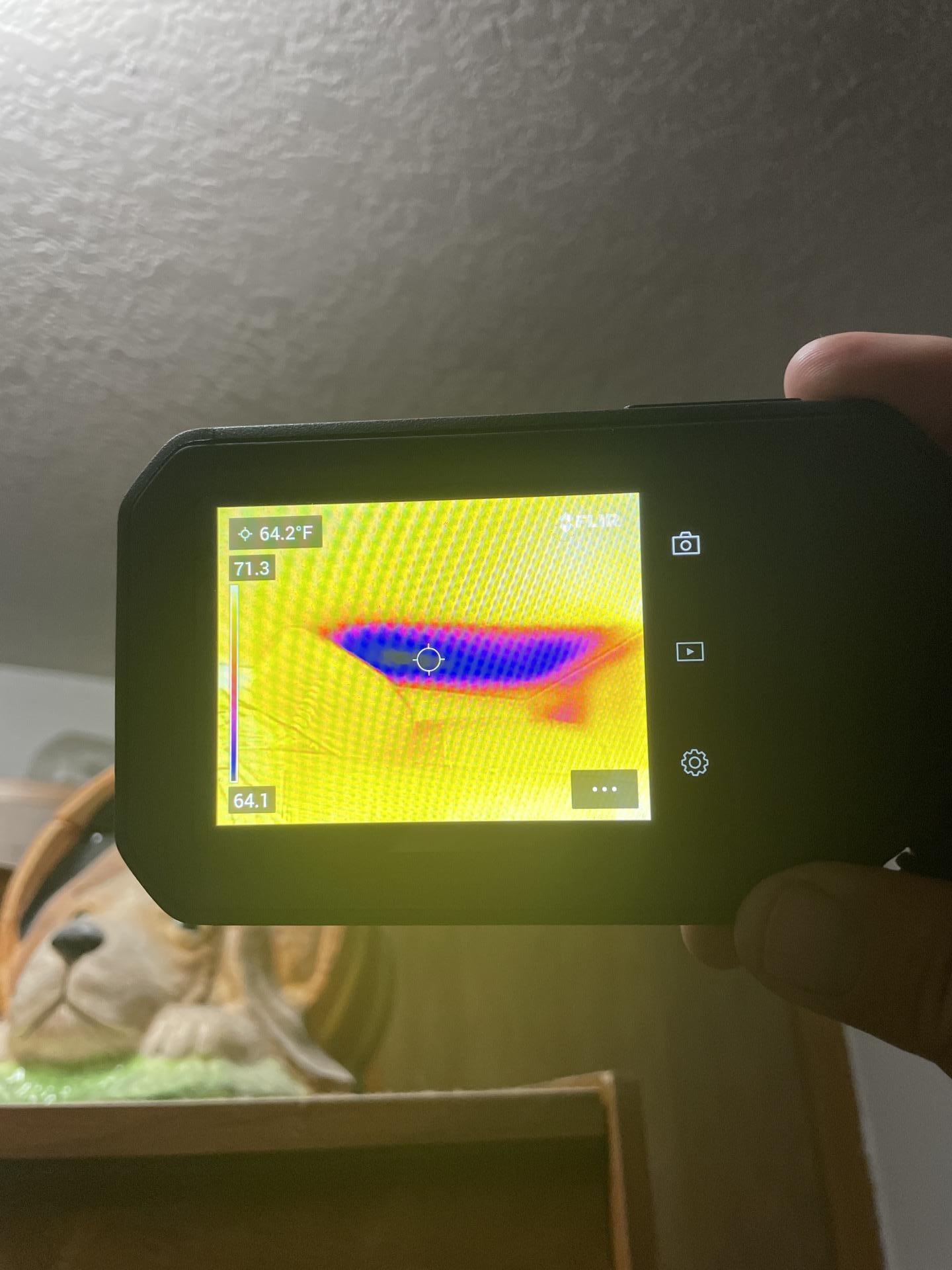
Dayspring Restoration responded by performing water extraction, removing affected materials such as baseboards, drywall, insulation, and compromised OSB underlayment. Containment was established for mold remediation in Apt #202. Comprehensive drying equipment, including dehumidifiers, axial fans, and air movers, was strategically placed. Drying holes were drilled into walls and under cabinets to facilitate air circulation. Continuous monitoring using IR cameras and moisture meters ensured that all affected areas reached target dry standards. Equipment was adjusted and removed progressively as drying goals were met, culminating in the complete drying of all materials and removal of equipment.
Photos & Videos:
Why You Can Rely on Dayspring Restoration

Serving Your Local Area Since 1989

24/7 Emergency Response

Insurance Claims Assistance

Licensed, Bonded, and Insured

Advanced Certification Training

Full-Service Restoration From Demo to Rebuild

3D Site Imaging with Docusketch
Our Customer Reviews
Kalli Kind
Helena Public Schools
“Over the past eighteen years I have worked with Dayspring on a daily basis. I have worked with them professionally and have had them work for me personally. In both instances I have found them to be professional, courteous, and helpful.”
Bob King
State Farm Insurance, Missoula, MT
Awards and Affiliations




- Absarokee
- Acton
- Anaconda
- Ballantine
- Batavia
- Bearcreek
- Belfry
- Big Horn
- Big Sky
- Big Timber
- Billings
- Boyd
- Bozeman
- Bridger
- Broadview
- Busby
- Butte
- Cody
- Columbus
- Corvallis
- Crow Agency
- Custer
- Decker
- Deer Lodge
- Dillon
- Edgar
- Evergreen
- Fishtail
- Fort Smith
- Fromberg
- Garryowen
- Great Falls
- Hamilton
- Hardin
- Harlowton
- Hayden
- Helena
- Huntley
- Joliet
- Kalispell
- Klein
- Laurel
- Lavina
- Lewiston
- Livingston
- Lockwood
- Lodge Grass
- Melstone
- Missoula
- Molt
- Moscow
- Musselshell
- Nye
- Orchard Homes
- Park City
- Polson
- Pompeys Pillar
- Post Falls
- Powell
- Pryor
- Pullman
- Rapelje
- Red Lodge
- Reed Point
- Roberts
- Roscoe
- Roundup
- Saint Xavier
- Salmon
- Shawmut
- Shepherd
- Stevensville
- Test Hamilton
- Victor
- West Yellowstone
- White Sulphur Springs
- Whitefish
- Worden
- Wyola
